The Literary Masterpiece
First published in 1865, this novel was written by Charles Lutwidge Dodgson under the pseudonym Lewis Carroll. It is celebrated as one of the best examples of the "literary nonsense" genre, playing with logic, mathematical concepts, and linguistic puzzles that continue to fascinate scholars and children alike.
Visions of Wonderland

Alice
In the book, Alice is a highly intelligent and polite seven-year-old girl who maintains her Victorian manners even in the most absurd situations. Her journey through Wonderland is a deep exploration of childhood curiosity and the search for identity.
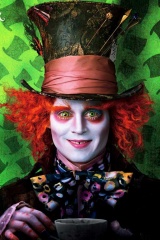
The Mad Hatter
The Hatter is a iconic character who is perpetually stuck at a tea party because he "murdered time." Carroll used the character to explore the boundaries of social etiquette and the circular nature of nonsensical logic.
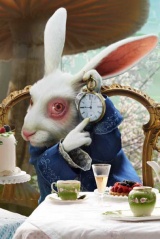
The White Rabbit
Acting as the catalyst for the entire adventure, the White Rabbit represents the frantic pace and anxieties of the adult world. He is the first creature Alice sees, and his obsession with his waistcoat watch leads her down the rabbit hole.
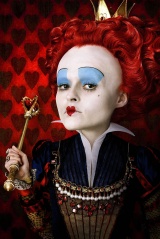
Queen of Hearts
The Queen is a personification of blind fury and absolute power, famously ruling through the threat of execution. In Carroll's writing, she represents the unpredictable and often terrifying nature of authority figures as seen by a child.
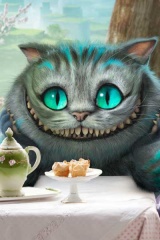
The Cheshire Cat
This philosophical feline is known for its mischievous grin and the ability to disappear. The Cat serves as an observer who reminds Alice that "we're all mad here," highlighting the central theme of Wonderland's distorted reality.
Core Themes of the Novel
• Language and Meaning: Carroll explores how words can lose their meaning or be twisted through puns and literal interpretations.
• The Transition to Adulthood: Alice’s physical changes in size symbolize the awkward and confusing process of growing up.
• Subversion of Logic: Wonderland functions on its own set of rules, mocking the rigid educational systems of the Victorian era.